To receive detailed information about our procedures and to schedule an appointment, please fill out the form below.

One of the key elements in achieving a youthful, vibrant, and balanced appearance in facial aesthetics is the cheek area. Cheeks support the midline of the face, making both expressions and facial contours appear more dynamic. Over time, volume loss and skin laxity in this area can cause the face to look more tired, sunken, and aged. Cheek sagging affects not only aesthetic appearance but also directly influences how a person feels when looking in the mirror.
Cheek sagging can lead to both mild and advanced aesthetic concerns. Early preventive measures and appropriate treatment methods help control the process and maintain a more natural facial appearance.
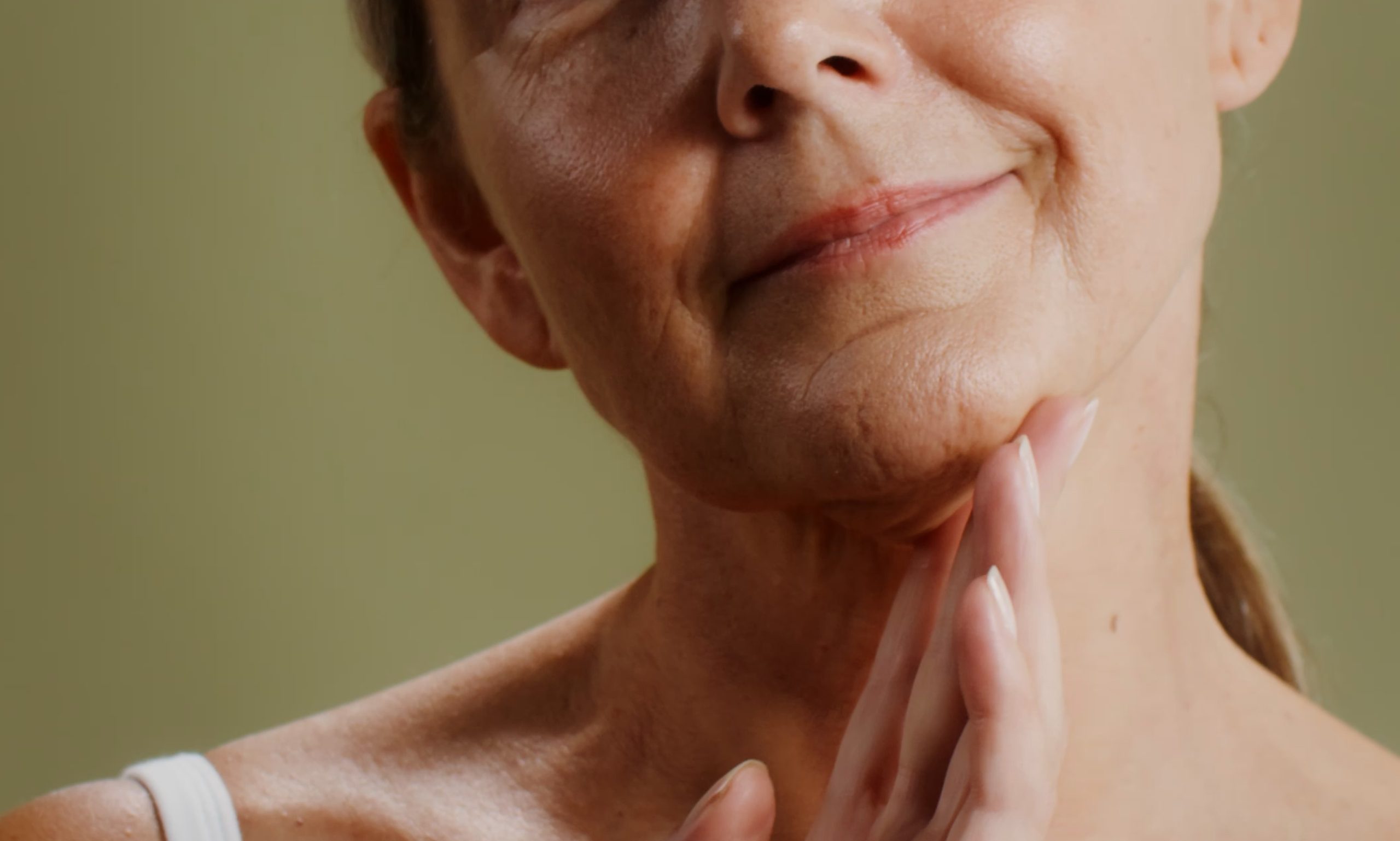
Cheek sagging is defined as the downward displacement of the cheek area due to the loss of elasticity and firmness in the skin, muscle, and fat tissues with age. This leads to reduced fullness in the midface, drooping cheeks, and loss of facial definition. Cheek sagging often occurs alongside deepening of the nasolabial folds, downward corners of the mouth, and a less defined jawline.
The sagging process usually progresses gradually over the years in most people. However, certain factors can cause signs of aging to appear earlier and more prominently.
There is no single cause of cheek sagging; multiple factors play a role. With aging, collagen and elastin production decreases, reducing the skin’s ability to recover. Additionally, certain habits and environmental factors in daily life can lead to earlier onset of cheek sagging:
Over time, these factors weaken the skin structure, making sagging in the cheek area more pronounced.
Skincare products alone do not provide a permanent solution against cheek sagging; however, when used regularly and correctly, they can improve overall skin quality and slow the process. Products that support collagen synthesis, provide intense hydration, and strengthen the skin barrier contribute to a fuller and more vibrant appearance in the cheeks. Early use of such products can delay sagging progression, while in advanced cases, they act as supportive measures alongside professional treatments.
Treatment for cheek sagging is planned according to the person’s age, skin type, degree of sagging, and expectations. Non-surgical methods may be preferred for mild to moderate sagging. Filler treatments restore volume to the cheek area, making the face appear lifted. Energy-based devices target the deeper layers of the skin to stimulate collagen production.
In more advanced cases, surgical methods may be considered to achieve more permanent and noticeable results. Treatment choice is personalized based on the specialist’s evaluation of the individual’s facial anatomy and expectations.
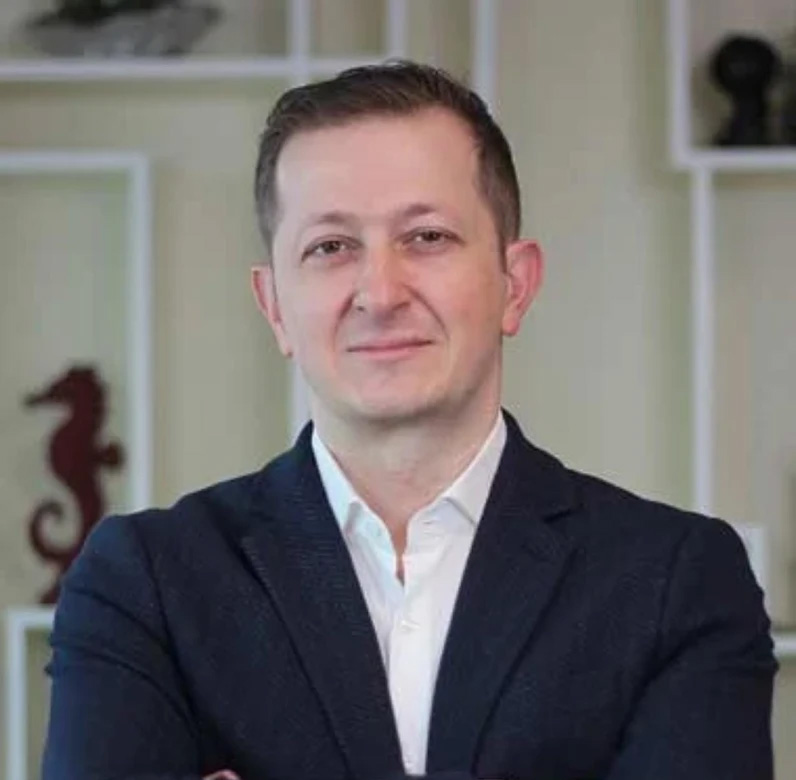
Specialist in Aesthetic, Plastic, and Reconstructive Surgery
To receive detailed information about our procedures and to schedule an appointment, please fill out the form below.
You can send us an email or reach us by phone for more information.
Assoc. Prof. Dr. Beşir Öztürk, Specialist in Aesthetic, Plastic, and Reconstructive Surgery, combines the latest surgical techniques with years of experience to achieve natural, balanced, and aesthetic results.
Each procedure is carefully planned to reflect the best version of you and help you rediscover yourself.
