To receive detailed information about our procedures and to schedule an appointment, please fill out the form below.

Aesthetic surgeries are not limited to the surgical procedure alone; the postoperative healing process directly determines the quality of the final result.
During this period, smoking and alcohol use can significantly affect both the body’s recovery rate and the aesthetic outcome. Therefore, temporarily giving up certain habits during the postoperative period is highly important.
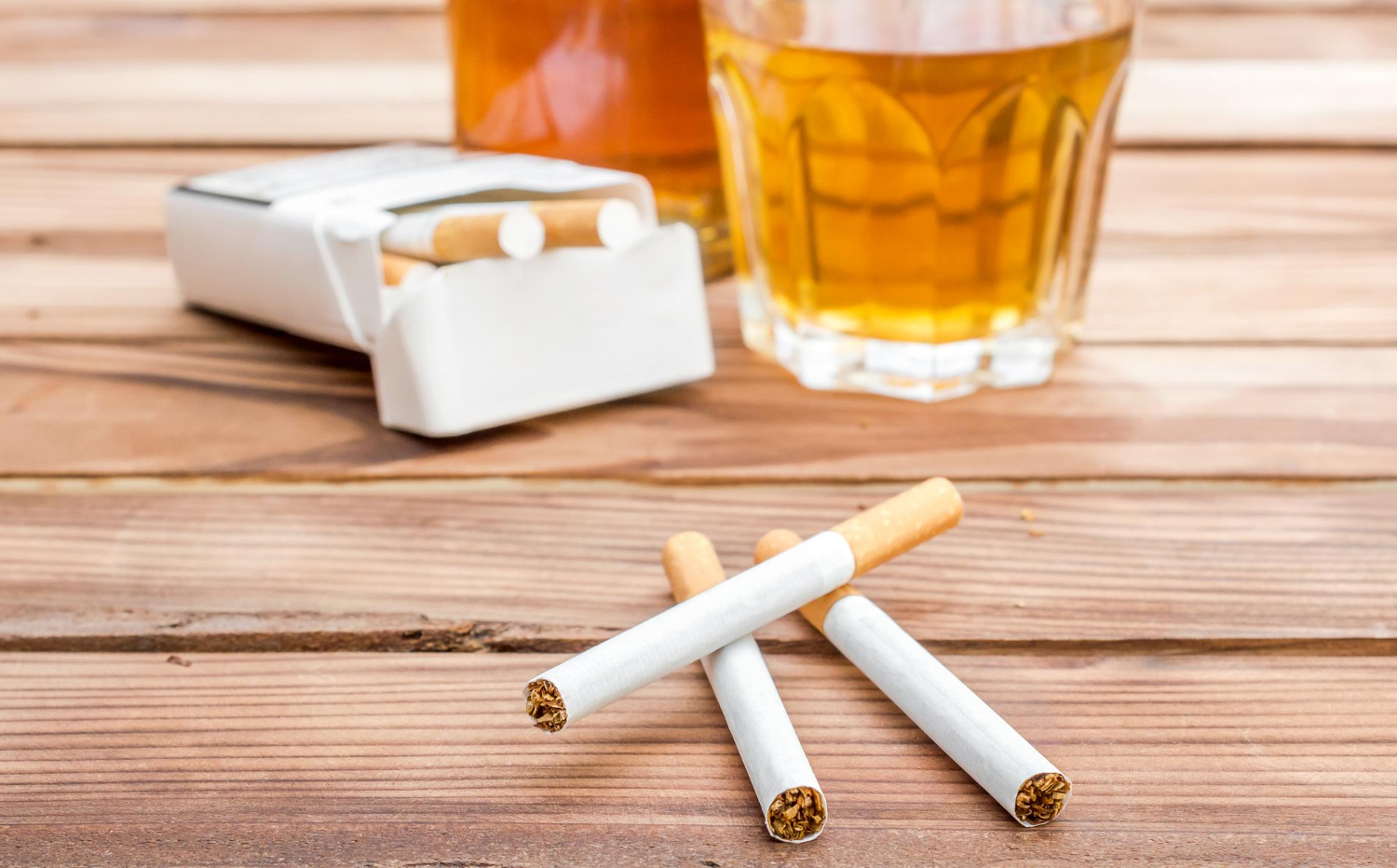
After aesthetic surgery, the body enters a self-repair process. Tissue healing is possible only with healthy blood circulation and sufficient oxygen delivery to the cells. During this period, even a minor negative factor can delay healing, increase swelling and bruising, or make scars more noticeable.
The immune system works more sensitively in the postoperative period, increasing the risk of infection and making tissue integrity more vulnerable. Substances like smoking and alcohol negatively affect this delicate balance, complicating the healing process.
Smoking and alcohol use can directly compromise the natural and smooth appearance aimed for after aesthetic surgery. These substances reduce the body’s ability to regenerate, adversely affecting both short-term healing and long-term aesthetic outcomes:
Even if the surgical technique is successful, these effects can result in aesthetic outcomes below the patient’s expectations. Therefore, postoperative lifestyle is as important as the surgery itself.
It is recommended to quit smoking not only after surgery but also before the procedure. Generally, stopping smoking at least 2–3 weeks prior to aesthetic surgery and avoiding it for at least 3–4 weeks afterward is advised. This period may be extended depending on the type and scope of the procedure.
Even “a small amount” of smoking can negatively affect tissue recovery during the healing period. The safest approach is to avoid smoking entirely until the healing process is complete.
Some common mistakes during the postoperative period can unknowingly prolong healing and negatively impact aesthetic results, often due to not fully understanding the seriousness of the process:
These behaviors do not affect the technical success of the surgery but directly impact the quality of the aesthetic outcome. Patients must follow all doctor recommendations until the healing process is complete.
Healthy nutrition, adequate hydration, and regular sleep support recovery during the postoperative period. Protein-rich foods contribute to tissue repair. Avoiding smoking and alcohol is one of the most crucial parts of this process.
Following all medical instructions, taking medications as prescribed, and attending follow-up visits ensures faster healing and enhances the quality of aesthetic results. Viewing this period as temporary and prioritizing the body’s recovery helps achieve much more satisfying long-term outcomes.
Specialist in Aesthetic, Plastic, and Reconstructive Surgery
To receive detailed information about our procedures and to schedule an appointment, please fill out the form below.
You can send us an email or reach us by phone for more information.
Assoc. Prof. Dr. Beşir Öztürk, Specialist in Aesthetic, Plastic, and Reconstructive Surgery, combines the latest surgical techniques with years of experience to achieve natural, balanced, and aesthetic results.
Each procedure is carefully planned to reflect the best version of you and help you rediscover yourself.
