To receive detailed information about our procedures and to schedule an appointment, please fill out the form below.

The recovery process after breast aesthetic surgery is directly related not only to the success of the operation but also to the patient’s post-operative lifestyle habits. In particular, being cautious with sports and physical activities is of great importance both for ensuring a healthy recovery process and for preserving the aesthetic result. For this reason, when to start exercising after breast aesthetics, which movements should be avoided, and how the exercise process should be planned are among the most frequently asked questions by patients.
After surgery, the body needs a certain recovery period in order to heal properly. In order for the muscle tissue, skin, and structures in the operated area to heal in a healthy way, physical activities must be increased in a controlled manner. Especially starting heavy exercises too early may lead to undesirable conditions such as pain, increased swelling, risk of bleeding, and problems with implant placement.
Therefore, the post-breast-aesthetic exercise plan must be created according to the doctor’s recommendations, and both the type of surgery performed and the patient’s recovery rate should be taken into consideration.
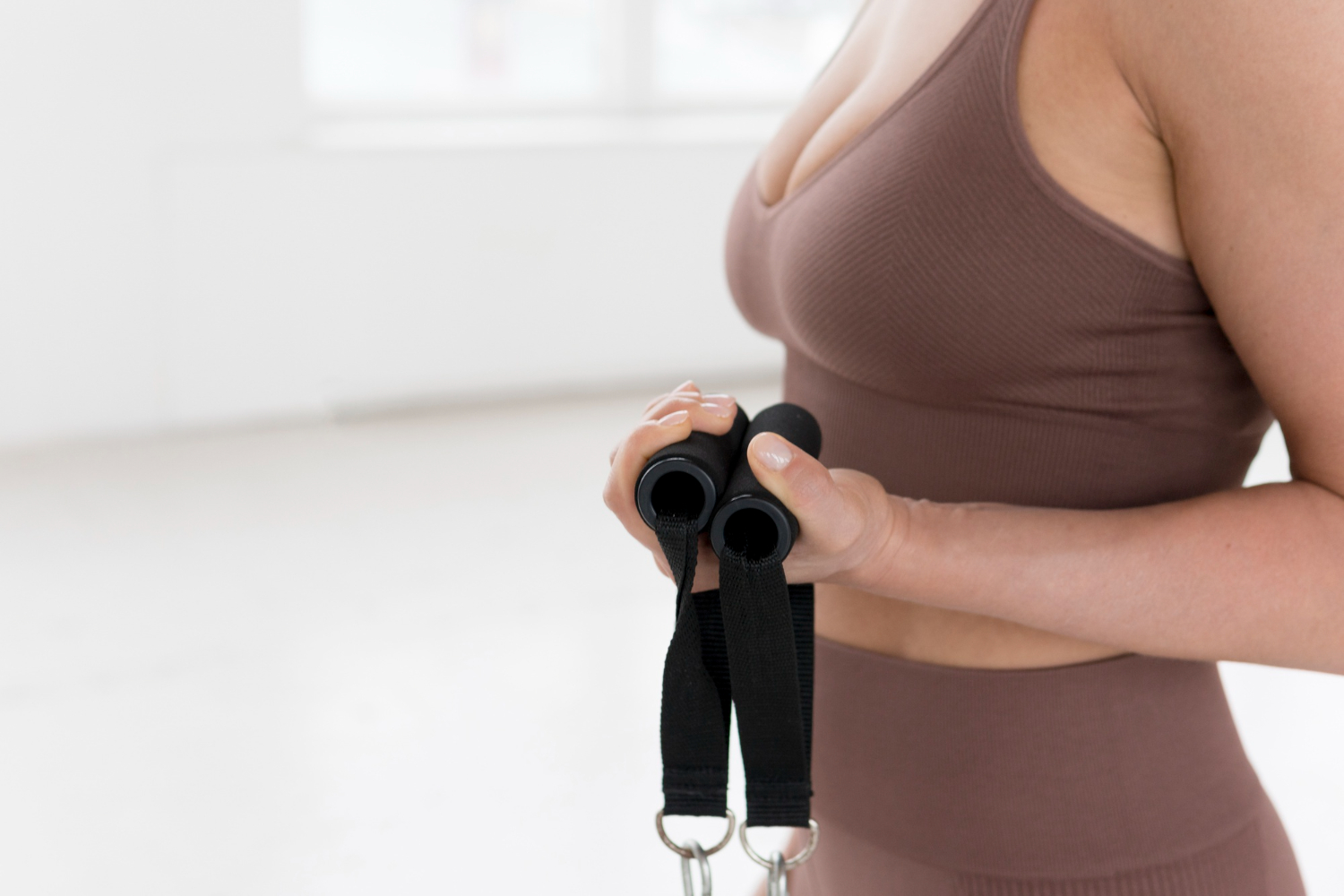
The return to exercise after breast aesthetic surgery may vary depending on the extent of the procedure, the surgical technique used, and the individual’s healing process. In general, light-paced walking can be started a few days after surgery. However, more active sports and intense workouts require a longer waiting period.
In the early weeks, the body needs rest, so movements that strain the chest muscles should be avoided. Light walking is usually recommended as it supports blood circulation and helps prevent prolonged inactivity. On the other hand, weight lifting, running, fitness training, and high-intensity cardio exercises are not suitable in the early period.
In most patients:
However, since each patient’s recovery process is different, the exact timing to resume sports should always be determined according to the doctor’s evaluation.
The first weeks after surgery are one of the most sensitive stages of healing. During this period, the tissues are not yet fully healed, and the surgical area is more vulnerable to external stress. Sudden arm movements, heavy lifting, and intense physical activity can place unnecessary pressure on the operated area.
Excessive activity in the early weeks may increase the risk of:
For this reason, patients should prioritize rest and avoid movements that may strain the body. A controlled recovery process contributes both to greater post-operative comfort and better aesthetic outcomes.
After breast aesthetic surgery, especially in the first weeks, movements that actively engage the chest muscles should be avoided.
Movements to avoid include:
Daily life habits should also be adjusted:
These may also strain the surgical area in the early period.
The return to exercise after breast aesthetics should be planned in stages. Instead of switching directly to intense workouts, it is safer and healthier to progress gradually while paying attention to how the body responds.
The following factors should be considered:
A controlled approach is important both for ensuring proper healing and for preserving the aesthetic result.
Yes, the type of breast aesthetic procedure directly affects the return-to-exercise timeline.
The use of a medical support bra after surgery is very important. These bras help support breast tissue and allow for a more controlled healing process.
During the exercise phase, a supportive sports bra is also recommended.
An ideal sports bra should:
After the healing process is complete, exercising in a controlled manner generally does not change implant position. However, engaging in heavy exercise too early may carry certain risks.
Especially when the implant is placed under the muscle, intense chest exercises in the early period may cause pressure. Therefore, heavy workouts should be avoided for the duration recommended by the doctor.
Why Is Medical Approval Necessary Before Exercise?
Each patient’s recovery process is different. Therefore, it is not appropriate to resume exercise based solely on the passage of time.
During a medical evaluation, the following are assessed:
Based on these factors, a personalized return-to-exercise plan is created.
Avoiding exercise for a few weeks after surgery generally does not cause significant muscle loss. The body can tolerate short periods of rest.
Light walking in the early stage helps maintain circulation. Once recovery is complete, returning to regular exercise allows muscle strength to be regained.
A patient who remains patient and follows a controlled recovery process will achieve better long-term health and aesthetic outcomes.
Specialist in Aesthetic, Plastic and Reconstructive Surgery
To receive detailed information about our procedures and to schedule an appointment, please fill out the form below.
You can send us an email or reach us by phone for more information.
Assoc. Prof. Dr. Beşir Öztürk, Specialist in Aesthetic, Plastic, and Reconstructive Surgery, combines the latest surgical techniques with years of experience to achieve natural, balanced, and aesthetic results.
Each procedure is carefully planned to reflect the best version of you and help you rediscover yourself.
