To receive detailed information about our procedures and to schedule an appointment, please fill out the form below.
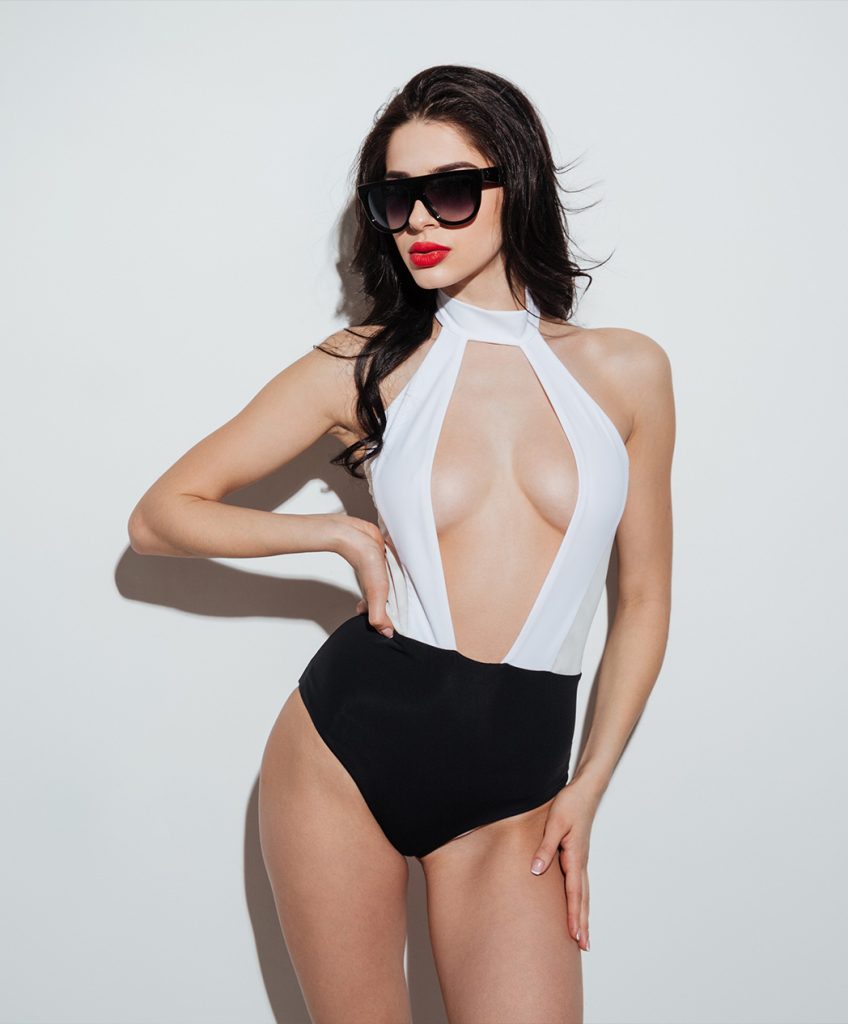
Breast sagging is a natural condition that women may experience at different stages of life. Over time, changes in breast tissue, the effect of gravity, and lifestyle-related factors can cause the breast shape to shift downward.
Breast sagging, which can affect self-confidence in some women in addition to aesthetic concerns, can largely be brought under control when its causes and prevention methods are understood.
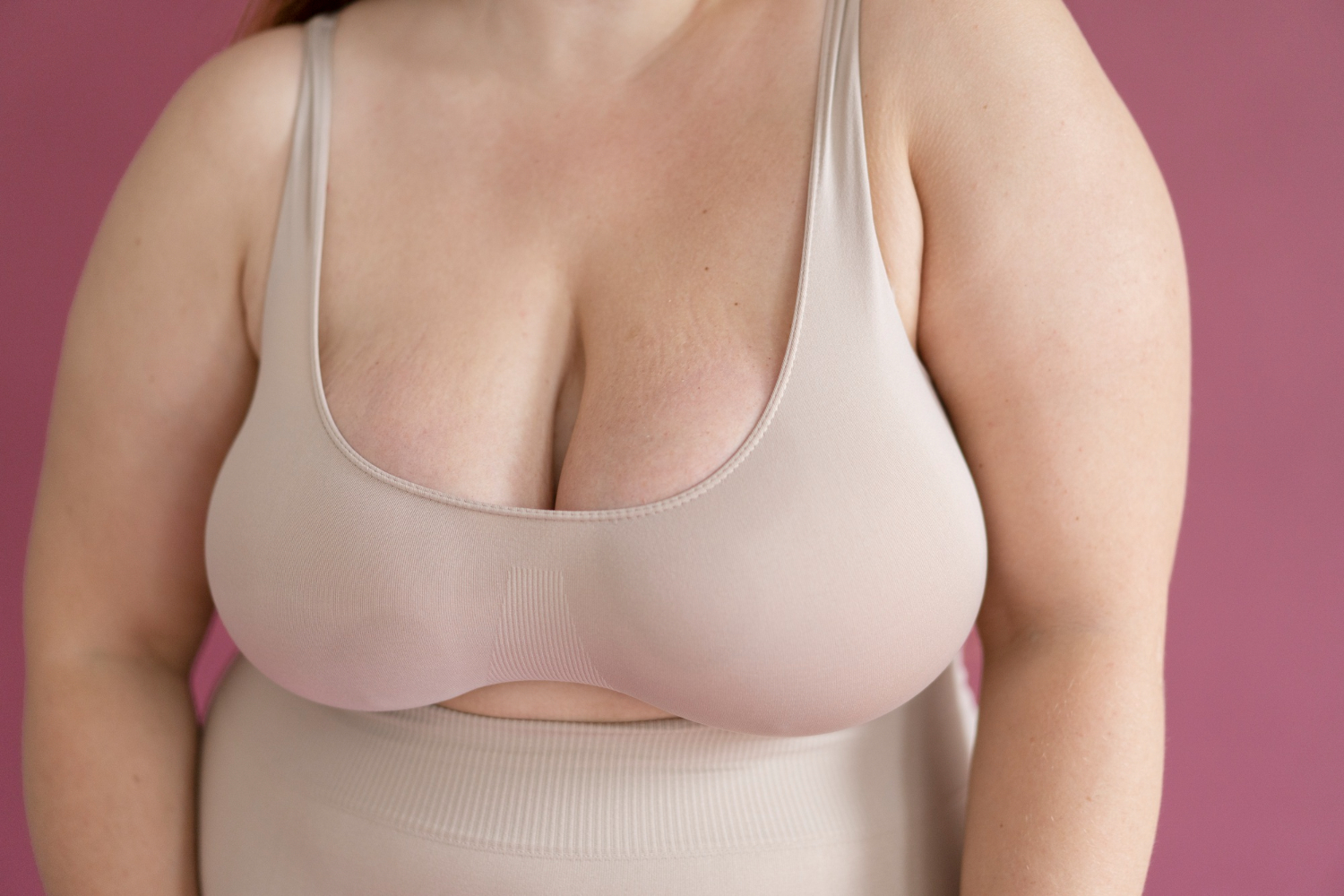
Breast sagging is the condition in which breast tissue loses its elasticity and descends below its normal anatomical position. During this process, the nipple may approach the level of the inframammary fold or be positioned even lower. The degree of sagging varies from person to person and may be mild, moderate, or advanced.
Breast structure consists of fatty tissue, connective tissue, and skin integrity. The weakening of these structures over time causes the breast to lose its upright appearance. Breast sagging is not always associated with aging; it can also occur at a young age due to various factors.
False breast sagging is characterized by the nipple appearing relatively low while most of the breast tissue remains in place. In this case, there is no true tissue sagging, but visually the breast appears saggy.
Congenital breast structure, weight changes, or the anatomical position of the inframammary fold can lead to false sagging. Unlike true breast sagging, this condition does not always indicate a serious structural problem, and evaluation should обязательно be performed through specialist examination.
One of the most important causes of breast sagging is aging. As age advances, the skin loses elasticity and connective tissues weaken. This natural process creates a basis for the downward movement of breast tissue.
Additionally, the effect of gravity and hormonal changes are among the factors that trigger breast sagging.
Although it is not possible to completely prevent breast sagging, the process can be slowed with certain precautions. First, maintaining an ideal weight prevents sudden volume changes in breast tissue and helps preserve skin structure.
Proper bra use also plays an important role. Bras that adequately support the breasts should be preferred in daily life and especially during sports. In addition, avoiding smoking, consuming sufficient water, and keeping the skin moisturized help maintain skin elasticity.
After breast sagging occurs, correction methods vary depending on the degree of sagging. In mild cases, exercises, skincare practices, and lifestyle changes can provide visual improvement. Exercises aimed at strengthening the chest muscles support the underlying structure of the breast and contribute to a more lifted appearance.
The most suitable method should be determined through specialist evaluation based on the individual’s breast structure and expectations.
Specialist in Aesthetic, Plastic, and Reconstructive Surgery
To receive detailed information about our procedures and to schedule an appointment, please fill out the form below.
You can send us an email or reach us by phone for more information.
Assoc. Prof. Dr. Beşir Öztürk, Specialist in Aesthetic, Plastic, and Reconstructive Surgery, combines the latest surgical techniques with years of experience to achieve natural, balanced, and aesthetic results.
Each procedure is carefully planned to reflect the best version of you and help you rediscover yourself.
