To receive detailed information about our procedures and to schedule an appointment, please fill out the form below.

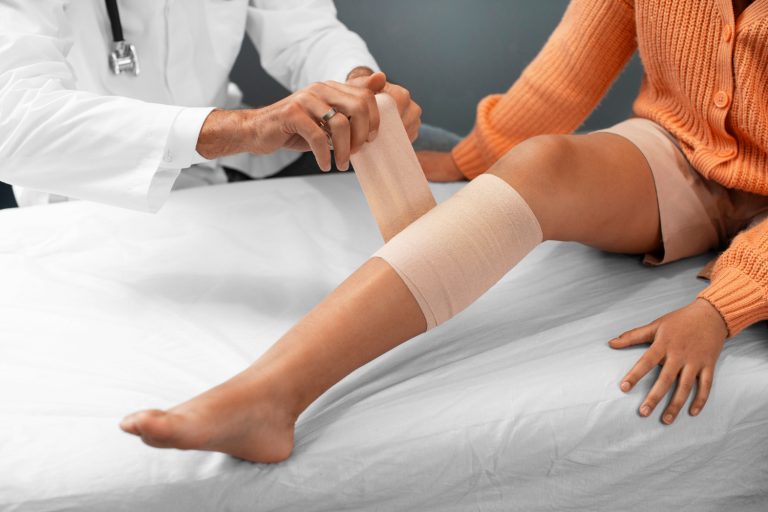
Lymphedema is a circulatory disorder that occurs as a result of the accumulation of lymph fluid in the tissues and is accompanied by chronic swelling and tissue hardening. It is most common in the arms and legs, but it can also affect different parts of the body.
Lymphedema is not just an aesthetic swelling; It is a medical condition that reduces the quality of life by causing pain, tension, limitation of movement and increased risk of infection.
Early treatment stops the progression and greatly facilitates the daily life of patients. Thanks to modern treatment approaches, significant improvement can be achieved both functionally and aesthetically.
Lymphedema can be primary (congenital) or secondary (developed later).
Congenital disorder of development of lymphatic vessels Symptoms usually appear in adolescence or adulthood.
Secondary Lymphedema
The development of lymphedema in the arm is especially common after breast cancer.
Lymphedema does not occur after every surgery – risk must be assessed and follow-up performed.
Symptoms of lymphedema progress slowly and may not be noticed in the early stages.
Most common findings
In the later stages, skin changes and movement limitation may occur.
Diagnosing at an early stage when physical findings are mild increases the success of treatment.
These treatments can be very effective in the early stages.
In advanced cases of lymphedema, surgery can significantly improve quality of life.
Microsurgical techniques
Surgery works best when planned together with conservative treatments.
Goal: To alleviate the current load while the system is reinstalled.
Follow-up and maintenance are important for the process to be successful.
Emotional wear and tear may occur in patients who experience long-term body changes. Therefore, a supportive approach is as important as medical treatment.
Patients are made aware, included in the process, and do not feel alone.
Lymphedema is a manageable and controllable condition. With early diagnosis, expert follow-up and correct treatment planning, patients can regain their freedom of movement, function and quality of life.
Specialist in Aesthetic, Plastic, and Reconstructive Surgery
To receive detailed information about our procedures and to schedule an appointment, please fill out the form below.
You can send us an email or reach us by phone for more information.
Assoc. Prof. Dr. Beşir Öztürk, Specialist in Aesthetic, Plastic, and Reconstructive Surgery, combines the latest surgical techniques with years of experience to achieve natural, balanced, and aesthetic results.
Each procedure is carefully planned to reflect the best version of you and help you rediscover yourself.
