To receive detailed information about our procedures and to schedule an appointment, please fill out the form below.

Hygiene and cleanliness after aesthetic surgery are of great importance in terms of both accelerating the healing process and reducing the risk of infection. During this period, the body’s sensitivity and the need to protect the surgical area require making certain changes to your daily routine. Taking a shower using proper methods ensures a comfortable recovery process and helps preserve aesthetic results.
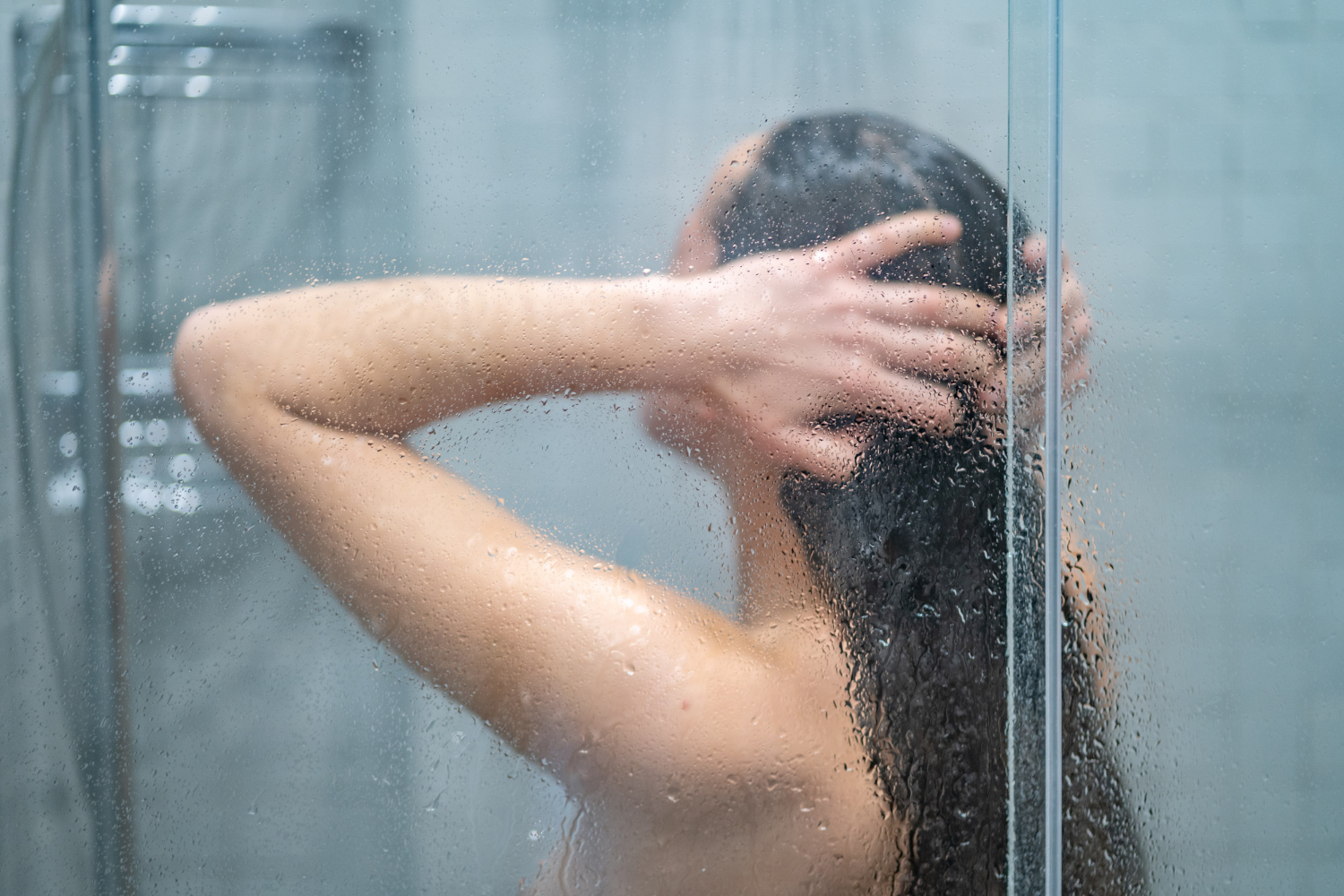
After aesthetic surgery, the body is still in the healing process, and the skin is very sensitive. Therefore, taking a shower in the first days after surgery is often not recommended. According to your doctor’s advice, generally, a short shower with warm water can be taken 24-48 hours after surgery.
The use of hot water should be limited, as it can increase swelling and bruising by accelerating blood circulation. Immediately after surgery, the body tries to restore fluid balance and energy reserves; taking a long shower or using hot water during this period can strain the body.
Especially in the first few days, water should not come into direct contact with incisions or stitches. Warm and short showers both clean the skin and support the healing process. Making gentle movements during the shower and not rubbing the area prevents swelling and bruising. Additionally, to prevent skin dryness after the shower, you can use moisturizers recommended by your doctor.
Exposure of the surgical area to water can increase the risk of infection and slow down the healing process. In the first days, care should be taken that water does not directly touch the incisions or stitches during bathing. It is also important to avoid soaps or shower gels that may irritate the skin.
These precautions help protect the surgical area and allow the healing process to proceed more safely. Always following the care instructions given by your doctor minimizes the risk of complications.
Stitches and bandages are the most critical parts of healing. Waterproof protectors can be used during showers to prevent bandages from getting wet. Ensuring that the bandage or stitches do not loosen, tear, or get dirty reduces the risk of infection and preserves the aesthetic result. Special care instructions provided by the doctor must be followed during this period.
Protecting stitches and bandages is important not only during showers but also in daily activities. Ensuring that bandages do not move and stitches are not strained during movement helps accelerate healing.
Bandage replacement or cleaning should be done according to the duration and methods specified by the doctor. Additionally, if redness, excessive swelling, or a bad odor is noticed under the bandage, the doctor should be informed immediately. Such precautions reduce infection risk and contribute to preserving aesthetic results.
Mistakes made while showering after surgery can negatively affect healing and increase the risk of complications. These mistakes usually stem from negligence or lack of knowledge.
Avoiding these mistakes ensures a safe shower experience and supports postoperative healing. Being careful during showers and, if necessary, having support from someone nearby makes the healing process more comfortable.

Specialist in Aesthetic, Plastic, and Reconstructive Surgery
To receive detailed information about our procedures and to schedule an appointment, please fill out the form below.
You can send us an email or reach us by phone for more information.
Assoc. Prof. Dr. Beşir Öztürk, Specialist in Aesthetic, Plastic, and Reconstructive Surgery, combines the latest surgical techniques with years of experience to achieve natural, balanced, and aesthetic results.
Each procedure is carefully planned to reflect the best version of you and help you rediscover yourself.
