To receive detailed information about our procedures and to schedule an appointment, please fill out the form below.

Swelling and bruising after surgery are common issues that many patients experience and that can affect the healing process. Since surgical intervention directly impacts the body’s tissues and blood vessels, these conditions occur as a natural response. Swelling and bruising are usually temporary, but in some cases they can cause discomfort and affect daily life.
With the right precautions, these effects can be reduced and the healing process can be made more comfortable. Understanding the causes of swelling and bruising, recognizing risk factors, and applying appropriate measures both accelerate recovery and help prevent possible complications. In this article, the ways to effectively reduce swelling and bruising after surgery will be discussed in detail.
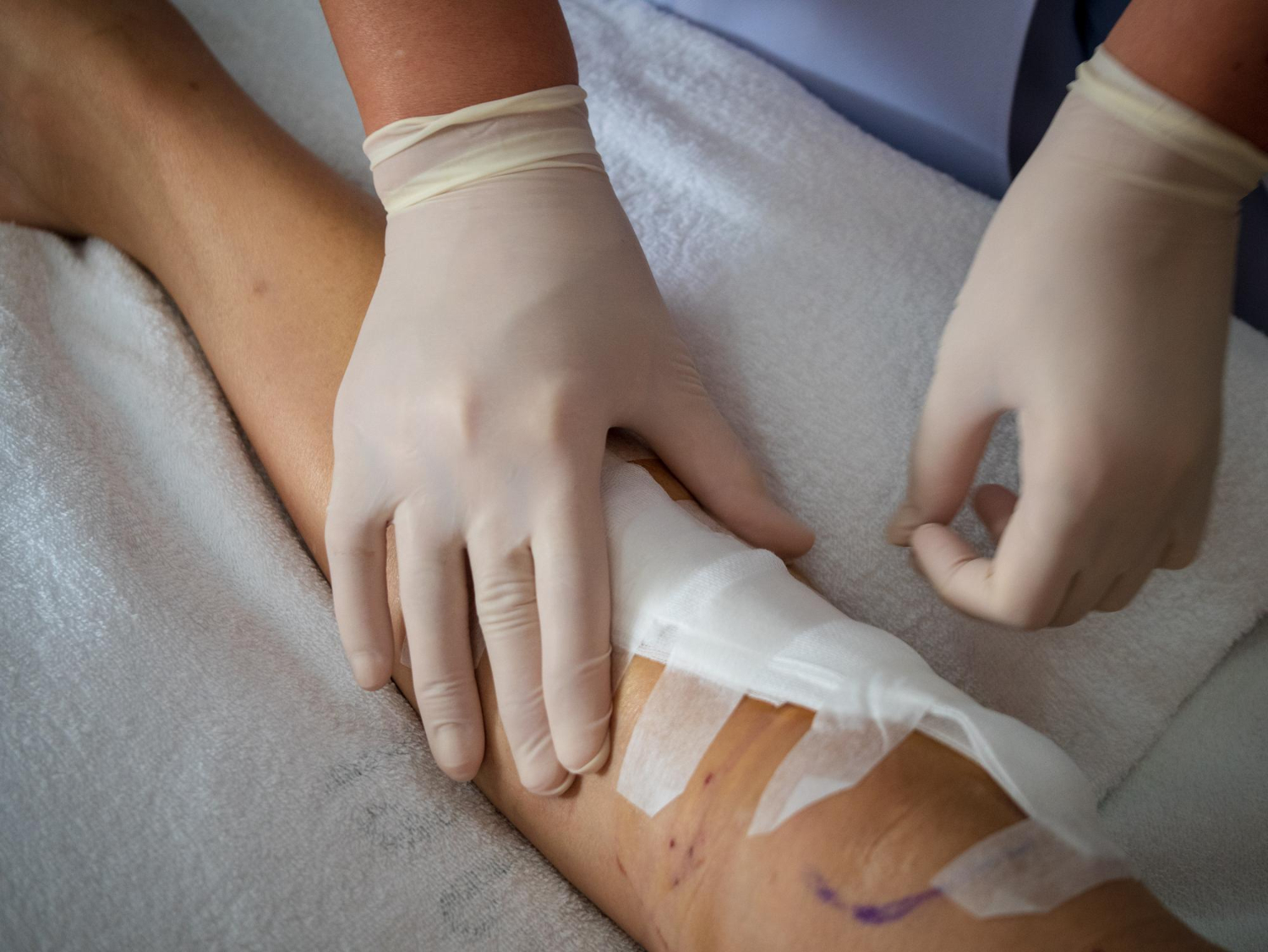
Swelling and bruising after surgery are natural reactions of the body to surgical intervention and are part of the healing process. During surgery, the cutting of tissues and the impact on blood vessels trigger swelling by causing localized fluid accumulation. In addition, damage to blood vessels leads to small bleedings, which results in bruising.
The main causes are:
Swelling and bruising usually begin to decrease within a few days to a few weeks, but in some cases the intensity may last longer. Therefore, taking appropriate precautions can ease the process and accelerate recovery.
The factors affecting swelling and bruising consist of various variables both before and after surgery. First of all, the type, duration, and techniques used during the surgical procedure directly influence the risk. For example, large and long-lasting operations may increase the risk of swelling and bruising by affecting the tissues more extensively.
Personal health condition is also an important factor. Bruising and swelling may be more pronounced in individuals who use blood-thinning medications, have sensitive vascular structures, or suffer from chronic diseases. Similarly, as age increases, changes in skin and vascular structure can affect the healing process. Genetic factors may also influence the intensity of swelling and bruising.
Behaviors during the postoperative period are also considered risk factors. Excessive movement, engaging in heavy activities, or incorrect sleeping positions may increase swelling. In addition, insufficient fluid intake, not using recommended support garments, and neglecting prescribed medications are among the factors that raise the risk.
After surgery, patients may often make mistakes—sometimes unknowingly—that can increase swelling and bruising.
Common mistakes and prevention methods include:
With these precautions, the duration of swelling and bruising may be shortened, and the recovery process becomes more comfortable. Regular rest and proper practices support the body’s healing mechanism.
Swelling and bruising after surgery are generally considered normal; however, severe increases or unexpected changes may be signs of complications. For this reason, scheduled doctor check-ups are very important to evaluate whether the recovery process is progressing properly.
The doctor can monitor the course of swelling and bruising and, if necessary, make changes to the treatment plan or recommend additional precautions. Early intervention accelerates recovery, reduces the risk of complications, and improves patient comfort. Regular check-ups also help patients monitor their own healing process more consciously.
Specialist in Aesthetic, Plastic, and Reconstructive Surgery
To receive detailed information about our procedures and to schedule an appointment, please fill out the form below.
You can send us an email or reach us by phone for more information.
Assoc. Prof. Dr. Beşir Öztürk, Specialist in Aesthetic, Plastic, and Reconstructive Surgery, combines the latest surgical techniques with years of experience to achieve natural, balanced, and aesthetic results.
Each procedure is carefully planned to reflect the best version of you and help you rediscover yourself.
