To receive detailed information about our procedures and to schedule an appointment, please fill out the form below.


Breast asymmetry is a common condition that can affect the quality of life of both women and men, both aesthetically and psychologically. Every woman’s breasts are naturally slightly different from each other; however, significant differences in size, shape, or position can negatively impact a person’s self-confidence. It can manifest in various situations, from clothing choices to the way one views themselves in the mirror, and sometimes even affect social life.
Today, thanks to aesthetic surgery and various treatment methods, breast asymmetry can be largely corrected. With proper planning, personalized treatment options, and modern surgical techniques, breasts can achieve a more symmetrical, aesthetic, and natural appearance. Additionally, the treatment process supports not only physical appearance but also psychological comfort, enhancing patients’ self-confidence and improving quality of life.

Breast asymmetry can arise in both women and men due to various reasons. Congenital factors, hormonal imbalances, differences in breast development, or rapid changes during puberty are among the most common causes. Additionally, life events such as pregnancy, breastfeeding, and weight fluctuations can also lead to differences in breast size and shape.
Breast asymmetry should not be seen only as an aesthetic problem; it can also impact psychological health, self-confidence, and social life. Therefore, understanding the causes of asymmetry correctly is extremely important for both treatment planning and long-term satisfaction.
Breast asymmetry can manifest in different forms, and each type directly affects the treatment method. Size difference is the most common type. One breast being larger or smaller than the other creates a noticeable difference that can be perceived in clothing choices and when looking in the mirror.
Shape difference and sagging are other common types. In some individuals, one breast appears firmer and fuller, while the other may be sagging or less voluminous. Aging, gravity, and weight changes can increase these differences over time. The density and elasticity of breast tissue are also factors influencing the appearance of asymmetry.
Additionally, differences in nipple and areola position are considered types of asymmetry. Changes in nipple height or areola diameter can be aesthetically noticeable and may require special interventions in treatment planning. These types of asymmetry require careful attention, especially to achieve symmetry after surgery, and proper techniques are essential.
There are many methods available for treating breast asymmetry, and planning is usually personalized. Minimal invasive procedures can be preferred for small size differences, providing effective results in a short time.
The treatment plan is determined according to the patient’s expectations, breast structure, and type of asymmetry. With modern surgical techniques and personalized applications, the size and shape of both breasts can be equalized naturally. Moreover, proper planning ensures long-term results and supports the patient’s psychological comfort.
Some mistakes after breast asymmetry surgery can negatively affect treatment success. Failing to care for the tissues properly, not using support garments for the recommended period, and missing follow-up appointments are common errors. These can slow the healing process and prevent the desired aesthetic outcome.
Additionally, mistakes during surgery in implant selection or shaping of the breast tissue can result in the breasts appearing asymmetrical again. Therefore, proper post-operative care, full compliance with the doctor’s recommendations, and regular check-ups are crucial for both aesthetic and health outcomes. With a well-planned surgery and careful recovery process, breast asymmetry can be largely corrected.
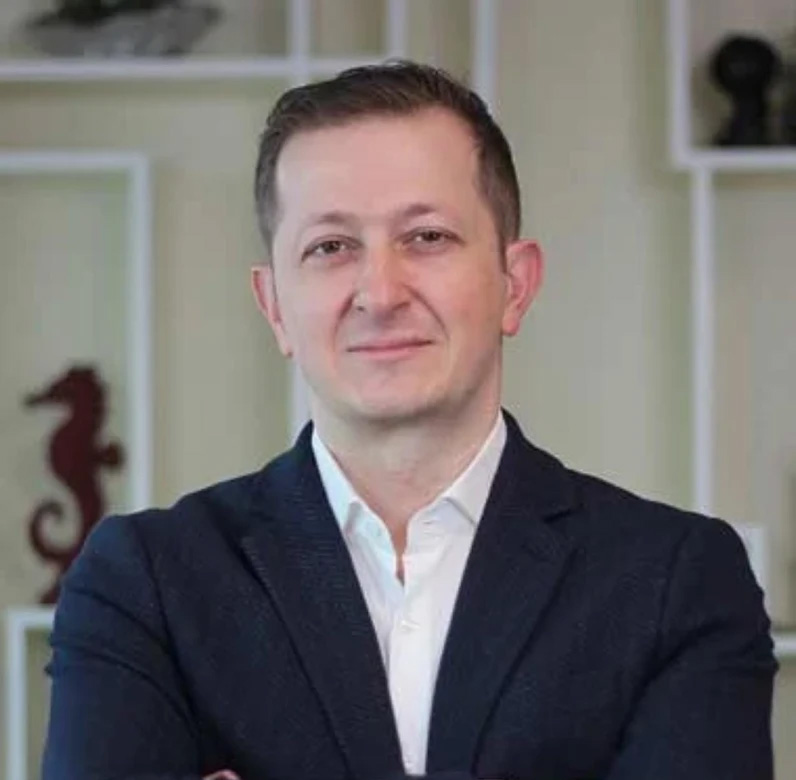
Specialist in Aesthetic, Plastic, and Reconstructive Surgery
To receive detailed information about our procedures and to schedule an appointment, please fill out the form below.
You can send us an email or reach us by phone for more information.
Assoc. Prof. Dr. Beşir Öztürk, Specialist in Aesthetic, Plastic, and Reconstructive Surgery, combines the latest surgical techniques with years of experience to achieve natural, balanced, and aesthetic results.
Each procedure is carefully planned to reflect the best version of you and help you rediscover yourself.
