To receive detailed information about our procedures and to schedule an appointment, please fill out the form below.


Wearing glasses during the recovery period after rhinoplasty is one of the points that should be approached carefully due to the pressure applied to the nose. Since the nasal bones, cartilage tissues, and soft tissues have not yet fully healed after surgery, the pressure of glasses on the nasal bridge may cause increased swelling, sensitivity, or negatively affect the healing process. Therefore, when to start wearing glasses after rhinoplasty and under which conditions they can be used should always be determined according to your doctor’s recommendation.
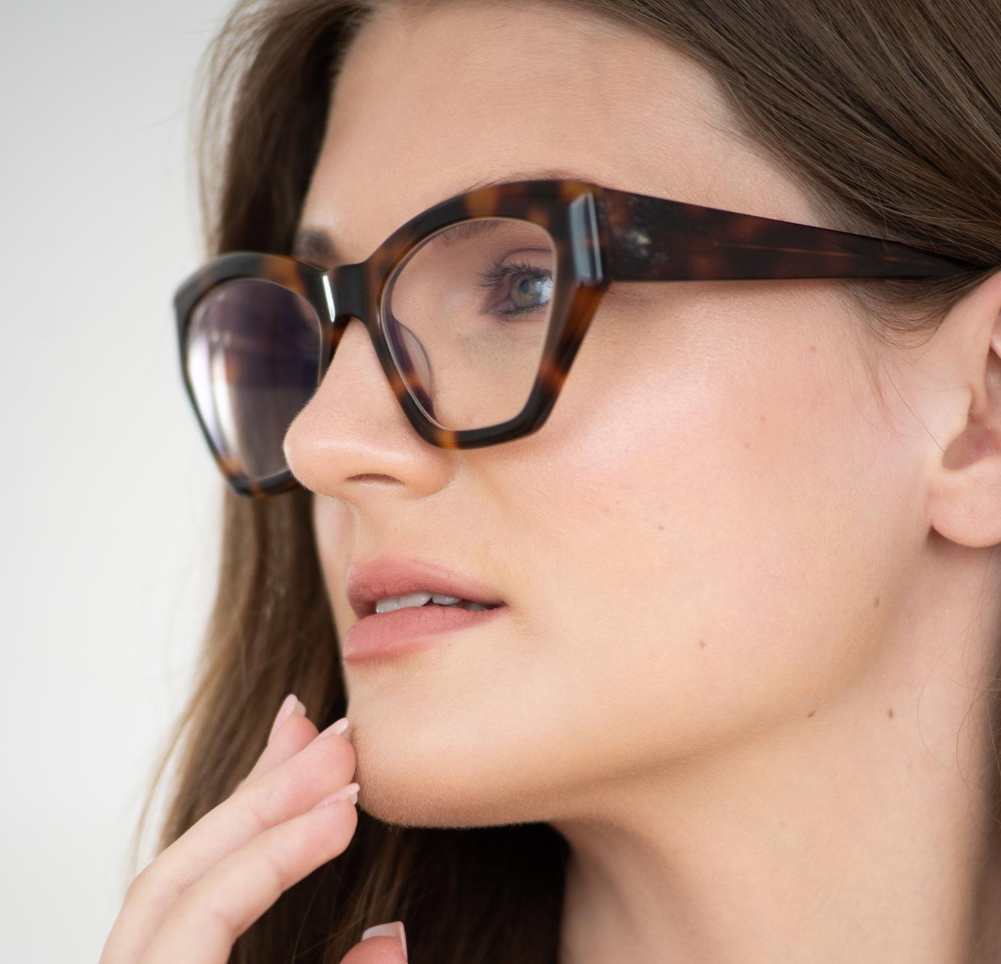
Wearing glasses in the early period after rhinoplasty is generally not recommended. This is because the pressure applied by glasses to the nasal bridge may create unwanted pressure on the bone and cartilage tissues that have been reshaped during surgery. Especially in the first weeks, since the nasal tissues are sensitive, swollen, and still healing, wearing glasses may both reduce comfort and negatively affect healthy healing. For this reason, when to start wearing glasses should be determined according to the extent of the procedure and your doctor’s evaluation.
The time to start wearing glasses after rhinoplasty may vary depending on the extent of the surgery and the healing condition of the nasal tissues. In general, it is not recommended for glasses to sit directly on the nose in the first weeks because the nasal bones and soft tissues are still sensitive during this period. For most patients, a recovery period of several weeks is expected to be completed before wearing glasses; however, the exact timing must always be determined under a doctor’s supervision. Especially after rhinoplasty operations involving intervention to the bone structure, starting to wear glasses too early should be approached carefully, as it may create pressure on the nose.
The first weeks after rhinoplasty are the period when the nasal tissues are most sensitive. During this process, while the nasal bones, cartilage structures, and soft tissues continue to heal, the pressure applied by glasses to the nasal bridge may cause unwanted effects. Therefore, especially in the early period, wearing glasses is generally limited or alternative solutions are recommended.
The main reasons why wearing glasses is not recommended in the first weeks are as follows:
For this reason, instead of giving a standard time for when to start wearing glasses after rhinoplasty, the doctor’s evaluation during the follow-up examination should be taken as the basis.
People who regularly wear prescription glasses before rhinoplasty should share this situation with their doctors before the operation in order to get through the early post-operative period more comfortably. Since it is generally not recommended for glasses to sit on the nose in the first weeks, temporary alternatives can be planned.
During this process, the following options may be evaluated for people who wear prescription glasses:
The most appropriate approach during this period is to share the need for glasses with the doctor before surgery and to create a usage plan suitable for the healing process. During this process, options such as contact lens use, special accessories that prevent glasses from touching the nose, or short-term use may be evaluated; however, each of these methods should be planned individually. Therefore, if you wear prescription glasses, you should definitely not forget to consult your doctor before and after the operation.
If you have to wear glasses in the early period after rhinoplasty, you should definitely plan this with your doctor’s knowledge and approval. This is because the nasal tissues may still be sensitive during this process, and the pressure applied by glasses to the nasal bridge may negatively affect the healing process. If wearing glasses is completely unavoidable, methods that reduce the direct load on the nose should be preferred.
The points to pay attention to during this process are as follows:
In short, wearing glasses after rhinoplasty is a process that varies from person to person. Therefore, if you have to wear glasses, the safest approach is to act according to your doctor’s recommendations instead of making a decision on your own.

Specialist in Aesthetic, Plastic, and Reconstructive Surgery
To receive detailed information about our procedures and to schedule an appointment, please fill out the form below.
You can send us an email or reach us by phone for more information.
Assoc. Prof. Dr. Beşir Öztürk, Specialist in Aesthetic, Plastic, and Reconstructive Surgery, combines the latest surgical techniques with years of experience to achieve natural, balanced, and aesthetic results.
Each procedure is carefully planned to reflect the best version of you and help you rediscover yourself.
