To receive detailed information about our procedures and to schedule an appointment, please fill out the form below.

One of the most common questions patients ask before aesthetic surgery is what their ideal weight should be. There is no single number that applies to every patient, because the ideal range depends on height, body mass index, fat distribution, skin quality and the type of surgery being planned.
In aesthetic surgery, the goal is not simply to bring the patient down to a certain weight. The aim is to create a more balanced and healthier body contour according to the patient’s existing anatomy. For this reason, the number on the scale is only one part of the preoperative evaluation.

There is no universal ideal weight for aesthetic surgery. Two people with the same weight may have different heights, muscle mass, fat distribution and skin elasticity. Therefore, the decision is usually based on body structure, surgical goals and overall health rather than weight alone.
In procedures such as tummy tuck, liposuction, breast aesthetics, arm lift or thigh lift, factors such as excess skin, localized fat and tissue quality are also important. The surgical plan is shaped according to the patient’s individual anatomy.
Body mass index is a practical measurement that reflects the relationship between height and weight. Before aesthetic surgery, it helps evaluate surgical safety and the predictability of the result. A very high BMI may increase the risk of wound healing problems, anesthesia-related concerns, infection and prolonged postoperative swelling.
For many aesthetic procedures, being close to a healthy and stable weight is preferred. Results are usually more predictable in patients whose weight has not changed significantly in the last few months.
Not every patient needs to lose weight before aesthetic surgery. However, if the current weight may negatively affect surgical safety, recovery or the aesthetic outcome, medically supervised weight loss may be recommended. This decision depends on the planned procedure and the patient’s general health condition.
For example, liposuction is not a weight loss method; it is performed to contour localized fat deposits. In tummy tuck surgery, excess skin, muscle laxity and abdominal shape are often more decisive than weight alone.
Stable weight before aesthetic surgery is important for maintaining the result. Rapid weight loss before surgery or significant weight gain after surgery may change the body contour achieved with the operation.
For this reason, it is healthier for the patient to maintain a similar weight for several months before surgery, establish a sustainable nutrition routine and set realistic goals.
Excess weight may affect the result of some aesthetic procedures. A high amount of fat tissue can make contouring more difficult, prolong recovery and cause postoperative swelling to last longer.
This does not mean that every patient with excess weight is unsuitable for surgery. The important factors are the patient’s health status, surgical expectations, the selected technique and the surgeon’s examination.
The best time for aesthetic surgery is when the patient’s weight is as stable as possible and their general health condition is suitable for surgery. If the patient is actively losing weight, it may be better to plan surgery after reaching a target range and maintaining it for a while.
The ideal weight for aesthetic surgery is determined individually. Height, body mass index, fat distribution, skin quality and the planned procedure should all be evaluated together. A personalized medical examination gives the clearest answer for timing and suitability.
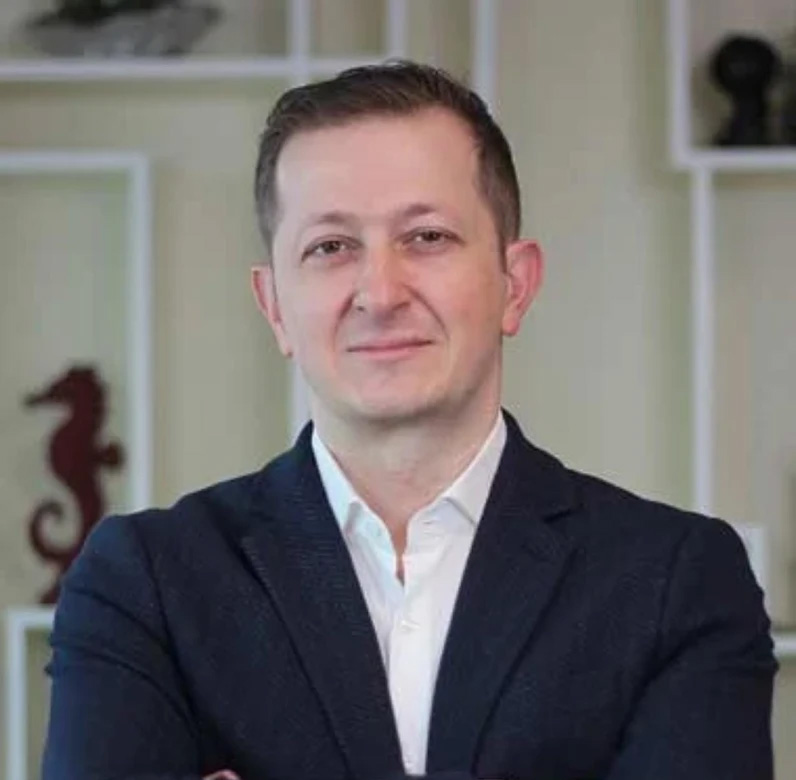
Specialist in Aesthetic, Plastic, and Reconstructive Surgery
To receive detailed information about our procedures and to schedule an appointment, please fill out the form below.
You can send us an email or reach us by phone for more information.
Assoc. Prof. Dr. Beşir Öztürk, Specialist in Aesthetic, Plastic, and Reconstructive Surgery, combines the latest surgical techniques with years of experience to achieve natural, balanced, and aesthetic results.
Each procedure is carefully planned to reflect the best version of you and help you rediscover yourself.
